
 Home





What’s the Difference Between Incontinence Pads and Sanitary Pads I AMISIN
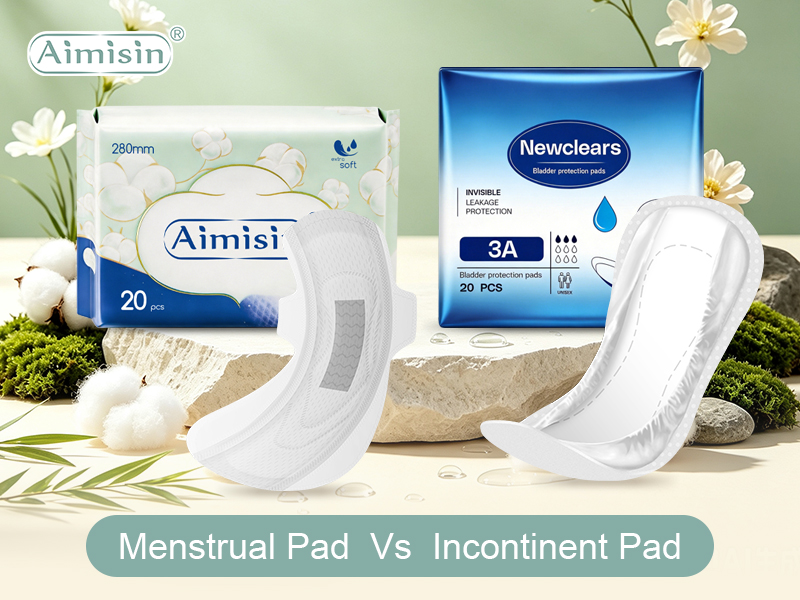
Which one do you use for bladder leaks and your menstruation ? It's a common question and if you're one of the many women are not sure which pad or product to choose, we're here to help simplify it for you
We know it can be confusing. Many ladies who are experiencing bladder leaks are completely unaware that they're using the wrong product to manage their incontinence. This article will help to change that.
Incontinence pads or bladder control pads are super absorbent pads designed to help protect against bladder leaks. Incontinence comes with different types of fluids and odors than menstruation. That’s why Amisin Lady incontinence pads can deal with them in a way that a period pad just can’t! Bladder control pads come in various sizes and absorbency levels.
|
Product Details |
|||||
|
Product Name |
Length (mm) mm |
Absorbency(ml) |
Total Weight (g) |
Main Features |
Packing (pcs/bagxbag/carton) |
|
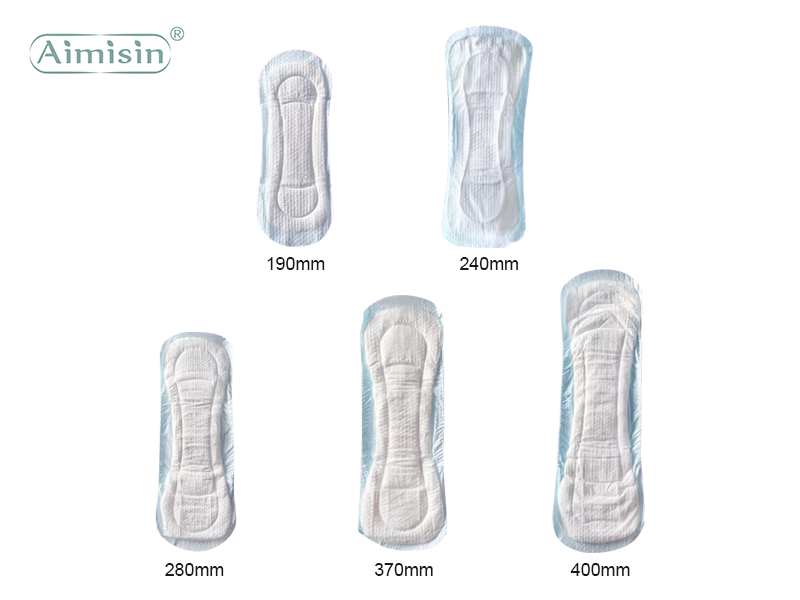
Incontinence pads NCIP |
240 |
300 |
13.5±1 |
1. Surface: hot air soft non-woven fabric with Pear Dot Pattern 2. Back sheet: breathable cloth-like fabric 3. Core:tissue paper + fluff pulp+Sumitomo SAP 4. Release paper 6.Individual wrapper 7 White ADL |
20x24 |
|
280 |
550 |
24±1 |
20×24
|
||
|
330 |
650 |
29±1 |
20×24
|
||
|
370 |
800 |
34±1 |
16×24
|
||
|
400 |
900 |
38.5±1 |
16×24
|
||
|
The Materials,absorbency ,weight ,packaging can be customized |
|||||
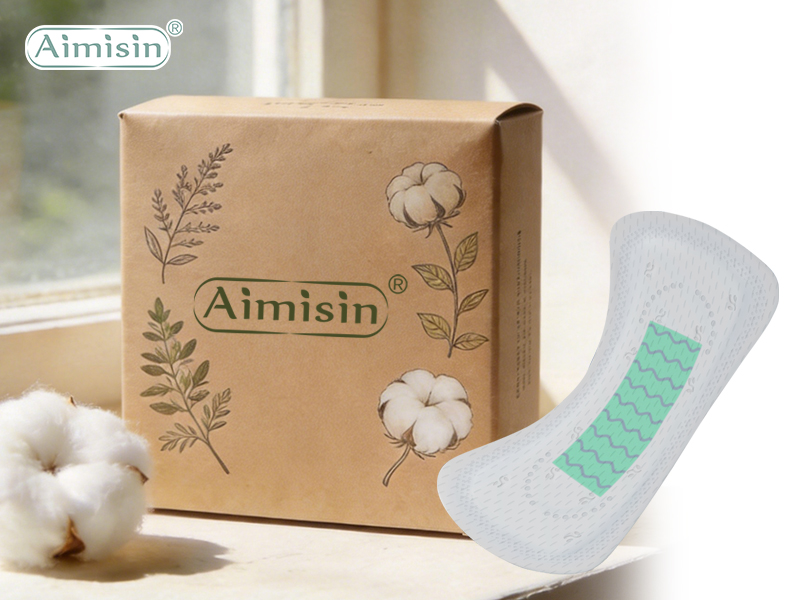
Menstrual pads, also known as period pads or sanitary pads (napkin) are not designed to absorb urine. They are made to absorb the flow of blood and are often used by women who are menstruating, experiencing post-partum bleeding, recovering from vaginal surgery, etc. Similar to incontinence pads, menstrual pads come in different sizes and period absorbency levels, from light to super absorbent.
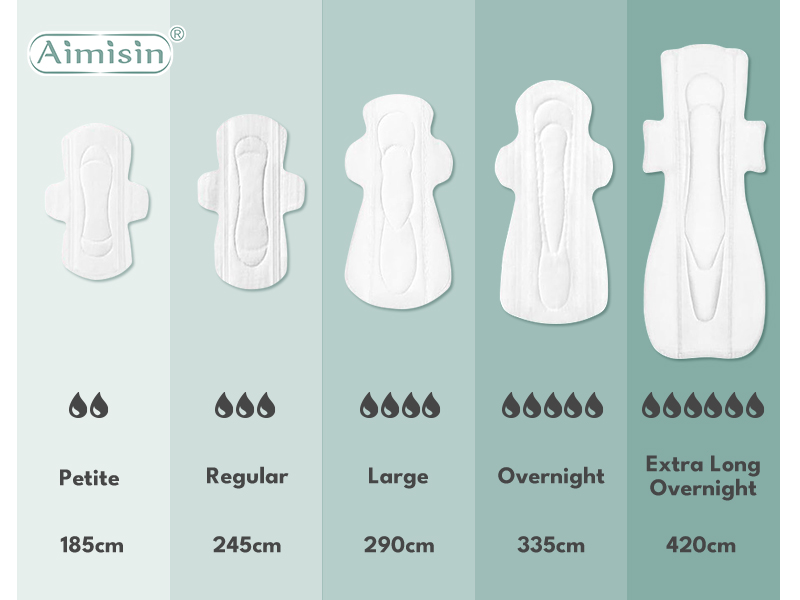
Now, Let’s explore the key functional differences – because they are designed for two completely different liquids and scenarios.
- Designed for absorbing different body fluid
The main difference between sanitary napkins and incontinence pads lies in the fluids they absorb. Sanitary pads are designed for thick, slow-flowing menstrual blood, focusing on gentle absorption and cleanliness. Incontinence pads handle thin, sudden, large-volume urine, requiring instant absorption and long-lasting dryness. This fluid difference determines their entirely different internal designs.
- Absorption Speed and Core Structure
Sanitary pads have a lightweight core with moderate absorbency for slow, low-volume menstrual flow. They cannot handle sudden large liquid surges; when used for urine, they absorb slowly, saturate easily, and cause leaks and rewetting.
Incontinence pads feature a high-density absorbent core with optimized SAP and fluff pulp. Their multi-layer design enables instant vertical absorption, deep moisture locking, and anti-leakage. Even at the same thickness, they offer far higher capacity and faster dryness.
This structural benefit makes them ideal for extended wear, from daily light leaks to heavy overnight protection.
- Odor Control Technology
Odor control is a key feature of professional incontinence pads.
Urine releases ammonia odor when exposed to air. High-quality incontinence pads contain odor-neutralizing particles that trap and reduce smells effectively during all-day wear—essential for the elderly, post-op patients, and those with persistent bladder leaks.
Most sanitary pads lack professional deodorizing technology. Added fragrances only mask menstrual scents and cannot control urine odor, leading to obvious smells and a poor experience when used for incontinence.
- Skin Safety and Long-Wear Comfort Standards
Sanitary pads are designed for short-term periodic use during menstruation. Their main priority is basic softness for daily comfort.
Incontinence pads follow stricter skin protection standards because users often wear them continuously for 8 to 12 hours per day. Manufacturers use breathable, smooth, and hypoallergenic topsheet materials to reduce friction, avoid redness, and prevent moisture-induced dermatitis.
Common Sourcing Mistakes for Global Buyers
Many new distributors attempt to replace incontinence pads with sanitary pads to lower costs. This incorrect substitution leads to frequent leakage, serious odor complaints, high return rates, and damage to brand reputation.
Professional hygiene manufacturers strictly separate the production formulas, core structures, and quality standards of sanitary pads and incontinence pads. For stable long-term business, buyers should select qualified incontinence products with complete test reports, TDS, and COA documents for international sales and healthcare supply.
Final Conclusion
Although incontinence pads and sanitary pads look similar, they serve completely different functions.
Sanitary pads are ideal for slow-flow menstrual protection, while incontinence pads provide fast absorption, large capacity, reliable odor control, and safer long-wear performance for urine leakage management.
Understanding these key differences helps consumers use products correctly and enables global importers and private label brand owners to build standardized, compliant, and competitive hygiene product lines in the international market.
Xiamen Newclears ,not only a Incontinence pads &sanitary pads supplier, but also a disposable bladder control &sanitary napkin OEM factory . We always offer wholesale price Incontinence pad &menstrual pads for you . Welcome to Inquire us ! Tel: +86 1735 0035 603 or E-mail: sales@newclears.com.